
What Actually Fades (And What Doesn't): The Truth About Print Longevity


Every print leaves the lab looking finished. What happens after that point depends on decisions made long before the order shipped and on where the piece ends up hanging.
Print longevity comes down to three key factors: chemistry, materials, and light exposure. Once a photographer understands how these elements interact, they can make informed decisions that help preserve the quality, color, and impact of their work for years to come.
Print Longevity: Fading Is Chemistry, Not Bad Luck
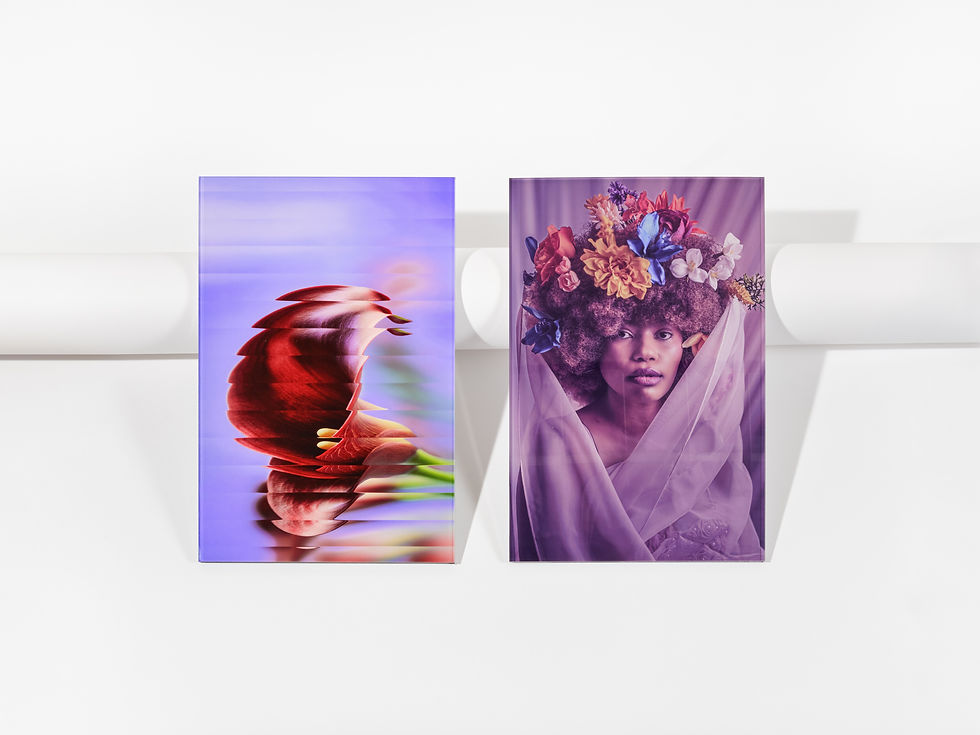
Color loss in a print traces back to a small number of causes. Acidic materials sit against the print surface, ultraviolet light breaks down pigment or dye molecules, humidity encourages surface changes, and airborne pollutants react with the print over time. None of these causes are random, and none of them are unique to one print type. A Photographic Print, an Acrylic Print, and a MetalPrint all face the same basic list of threats. What separates a print that holds up from one that doesn't is how well the surrounding materials were built to resist them.
This is never really discussed with clients, because it happens under the surface, in the backing, the acrylic, or the coating, long before anyone notices a color shift. By the time a warm cast creeps into a white border or a metal surface dulls near a window, the damage has already been done.
What Acrylic and Distance Are Doing Behind the Scenes
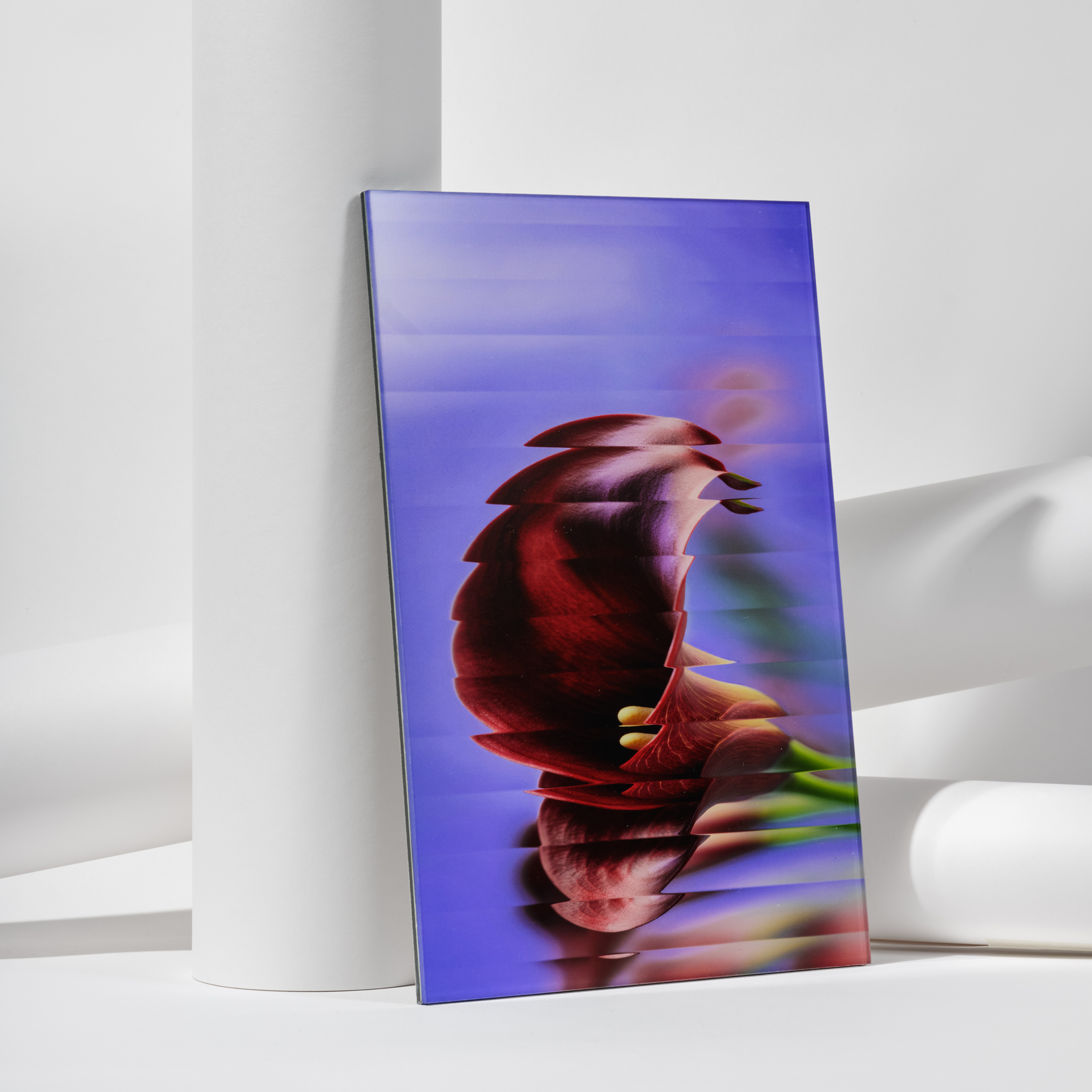
Building space between the print surface and the acrylic above it creates physical separation, which reduces the chance of direct contact and helps buffer the print against environmental swings, including condensation that can form in humid rooms or coastal climates. In environments with significant seasonal humidity fluctuations, that added separation provides an important buffer, helping maintain the print's long-term stability.
Acrylic itself does more than protect a surface from dust and fingerprints. It also helps manage how much ultraviolet radiation reaches the print, affects glare and reflection, and provides a physical barrier against scratching or moisture. None of that shows up in a photo of the finished piece, but it can show up years later in whether the print still looks like it did on delivery day.
Metal Surfaces and the Sunlight Rule

MetalPrints are created by infusing dyes directly into a specially coated aluminum surface rather than depositing them on top of the material. This dye-sublimation process produces exceptional color, sharp detail, and a durable finish that becomes part of the metal itself. The result is a waterproof, weather-resistant, and highly scratch-resistant print designed to perform beautifully in high-traffic spaces, humid environments, and other demanding display conditions.
That durability doesn't make a standard MetalPrint immune to fading. Bay Photo is transparent about this on our product pages: like most photographic products, standard MetalPrints should be displayed indoors and kept out of direct sunlight or excessive heat to help preserve their appearance over time.
For installations exposed to the elements, Bay Photo offers Outdoor MetalPrints, engineered with Performance EXT metal specifically for outdoor application. Unlike standard MetalPrints, Outdoor MetalPrints are designed to withstand prolonged exposure to sunlight, moisture, and changing weather conditions, with testing showing they can maintain their appearance for more than five years in direct sunlight without noticeable fading. Available in vibrant High Gloss, Satin, and Sheer Glossy finishes, making them an ideal choice for patios, pool areas, outdoor galleries, commercial signage, and other permanent outdoor displays.
For indoor display, standard MetalPrints remain an exceptionally durable option. Bay Photo cites Xenon Light Stability Testing showing image stability two to four times longer than traditional silver-halide photo paper, making them a trusted choice for bright interiors, high-traffic spaces, and humid environments when displayed as recommended. By offering purpose-built solutions for both indoor and outdoor installations, Bay Photo helps photographers select the right MetalPrint for the environment where it will be displayed.
Matching the Surface to the Display

For photographers selling Wall Art to clients, this is a conversation worth having before the order ships, instead of after a client calls asking why their print has changed color two years later. Recommending archival materials, appropriate acrylic protection, and placement guidance costs nothing and prevents a complaint that damages trust in a print far more than natural fading ever would.
Choosing the right materials is the first step in preserving a print, but long-term care matters just as much. The way a piece is cleaned, handled, and maintained after installation can have a lasting impact on how it looks years down the road. For photographers delivering Wall Art to clients, sharing a few simple care recommendations is another opportunity to provide value and protect the quality of the work you've created.
Learn more about the best practices for keeping prints looking their best with our guide to print preservation, cleaning, and care. Setting up a Bay Photo account is free and takes only a few minutes. New accounts come with a welcome offer of 25% off a first order, making now a great time to put these materials to the test on a print of your own.
From Framed Prints to MetalPrints, Fine Art Prints and more, every surface covered here is available through Online Ordering, ready for a photographer's first, or next, order built to hold its color for years to come.
designed specifically for professional photographers and artists like you in mind.
Stay connected with us on:
Images by:
Scott Robert Lim, Mac Elliot
FAQ
What causes a print to fade over time?
Fading typically comes from a few key factors: ultraviolet light breaking down pigment or dye molecules, acidic materials affecting against the print surface, humidity, and airborne pollutants interacting with the ink over time. Understanding these factors is the first step in preserving print quality and choosing the right display materials for long-lasting results.
Will a MetalPrint fade in direct sunlight?
Standard MetalPrints are designed for indoor display and perform best when protected from prolonged direct sunlight and excessive heat. For installations exposed to outdoor conditions, Bay Photo's Outdoor MetalPrints are engineered with Performance EXT metal specifically for exterior applications instead.
How do Outdoor MetalPrints compare to standard MetalPrints?
Standard MetalPrints are optimized for indoor spaces and feature Xenon-tested image stability two to four times greater than of traditional silver-halide photographic paper. Outdoor MetalPrints use Performance EXT metal engineered to withstand prolonged exposure to sunlight, moisture, and changing weather conditions, with testing showing they can maintain their appearance for more than five years in direct sunlight.
How long do Outdoor MetalPrints resist fading?
In testing, Outdoor MetalPrints maintained their appearance for more than five years in direct sunlight without noticeable fading, making them an excellent choice for patios, pool areas, and other permanent outdoor displays.
Does Acrylic actually protect a print, or is it just cosmetic?
Acrylic helps manages the amount of ultraviolet light that reaches the print surface and adds a physical barrier against scratching and moisture, all of which affect how a print holds up over years of display. Its benefits extend well beyond simply protecting against dust and fingerprints.
How can photographers help clients avoid premature fading?
Recommending appropriate display protection, acrylic options, and placement guidance before an order ships gives clients a print built to last helps prevent complaints that arise after color has already changed.
Where should a Framed Print be displayed to protect its color?
Framed Prints hold their color longest indoors, away from direct sunlight and excessive heat. Placement matters as much as material, since even the most protective display options can't offset years of direct sun exposure.

